
Compare lip gloss applicators using the intended formula, pickup, application area, feel and interaction with the wiper and tube. Flocked tips, brushes and unflocked designs should be evaluated as complete assemblies. A tip’s appearance or marketing name cannot establish its performance with your formula.
This guide gives brands a simple way to describe applicator options and review a sample. It complements the lip gloss tube specification checklist by focusing on the applicator itself.
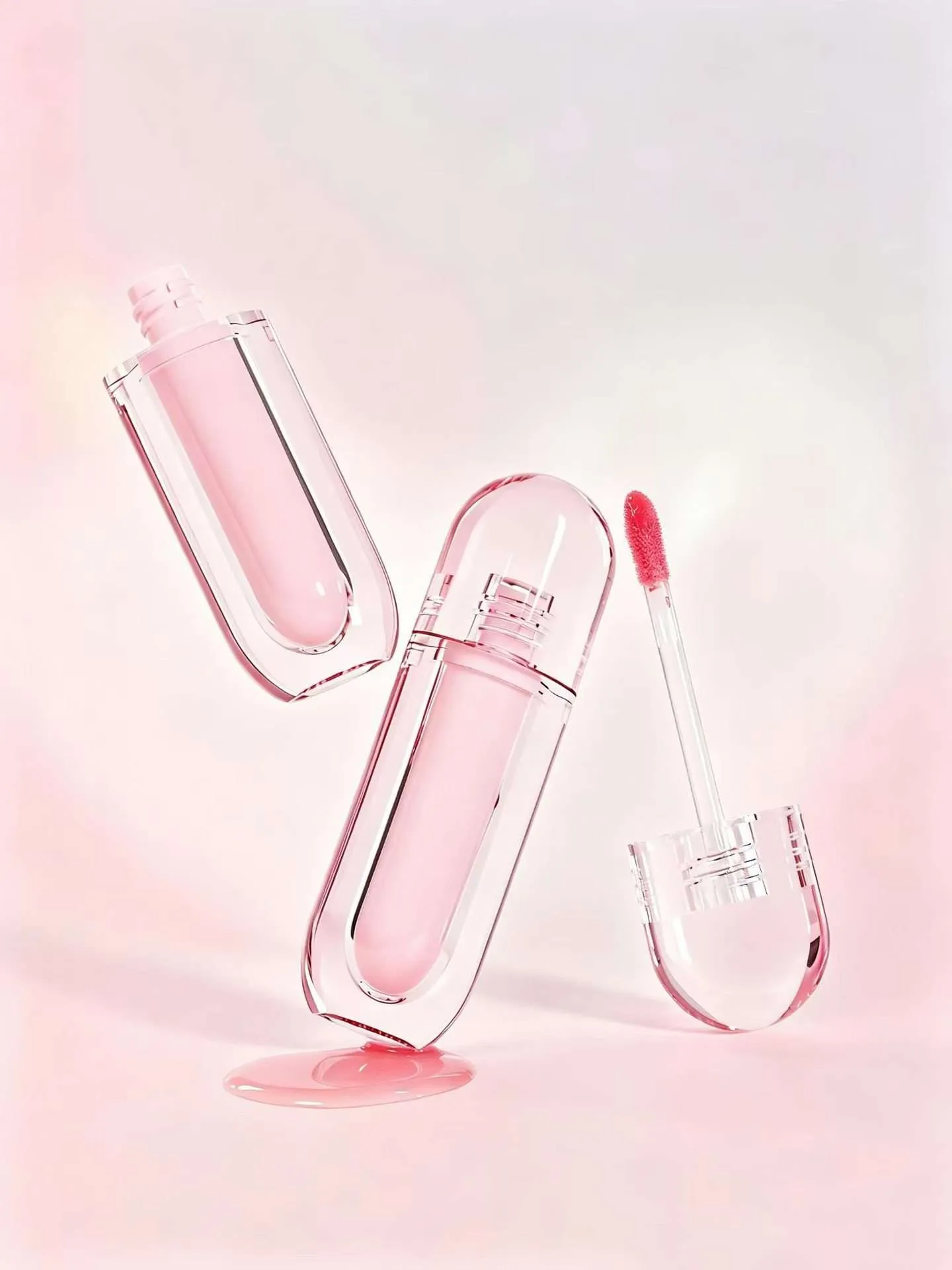
Which lip gloss applicator types should buyers compare?
Flocked doe-foot tips
A flocked doe-foot applicator has a shaped tip with a flocked surface. Tip shape, size, flock length and density can vary, so “doe-foot” does not identify one universal specification. Describe the shape and surface you want to evaluate, then ask the supplier which options are available for the selected tube model.
Brush applicators
Brush applicators use fibers arranged at the tip. Brush length, fiber type and fiber count can affect the feel and product pickup that a team evaluates. If you have a preferred reference, share a labelled image or sample and ask the supplier to confirm the brush construction in the proposed sample.
Unflocked or elastomer tips
Some applicators use a non-flocked molded tip, including soft elastomer designs. The shape and flexibility differ by design. Describe the area and motion the applicator should support, and review the actual sample with the intended formula before settling on a specification.
For terminology, supplier references distinguish flocked tips, tufted brush applicators and molded elastomer forms. For example, HCP describes flocked and tufted applicator formats, while GEKA shows lip brushes and non-flocked elastomer spatulas. These examples explain common naming; they do not establish availability or compatibility for a particular Fengyuan tube or formula.
Which criteria should be agreed before requesting samples?
There is no single applicator that suits every formula, package and brand brief. Before asking for options, write down what your team needs to compare:
- Application area: Where should the tip place or spread the product?
- Tip shape: Which outline, size or reference best represents the intended experience?
- Surface and flexibility: Should the review compare a flocked surface, brush fibers or a molded tip?
- Package fit: Which tube model, stem, wiper and cap configuration will be sampled?
- Formula context: Which product formula will be used during the evaluation?
- Decision criteria: What will the product, design and purchasing teams record after testing?
Use a consistent sample review
Ask the supplier to identify the exact tube and applicator configuration included in each sample. Label samples so reviewers can connect their observations to the right model and tip. When possible, use the intended formula and follow the same application steps for each option. Record observations rather than relying on memory or an unlabelled photo.
| Review point | What to record |
|---|---|
| Sample identity | Tube model, applicator reference and sample date |
| Applicator details | Tip shape, surface/type and any confirmed component details |
| Formula used | Formula or test product and relevant review conditions |
| Application observations | Pickup, placement and spreading observations from the team |
| Open questions | Fit, filling, compatibility or other points requiring supplier confirmation |
| Decision | Preferred sample, requested revision or follow-up needed |
A sample review is project-specific. Ask the supplier and filling team which checks are appropriate for your formula and filling process. Do not treat a visual sample alone as confirmation of production performance or formula compatibility.
Separate applicator observations from tube fit
A tip is only one part of the package. When the sample arrives, note the tube model, stem, wiper and cap alongside the applicator reference. Ask the supplier to confirm that each sample uses the intended combination. A similar-looking tip on a different stem or wiper should be recorded as a separate configuration rather than treated as the same sample.
Use your intended formula and a consistent review method where practical. Record who reviewed each sample, the date, the product used and the observations. If your filling or product team identifies open questions about filling, cleaning, leakage or formula contact, send those questions to the supplier and filling partner for project-specific assessment. A visual review by itself cannot establish formula compatibility or production performance.
Compare samples side by side under the same conditions. Ask reviewers to describe the result in observable terms—such as whether the sample reaches the intended area, whether product placement is controllable for the reviewer, and whether the team wants a different tip shape or surface. These notes help clarify preferences; they are not universal performance standards.
Keep the decision record usable for the next review
Before approving a preferred option, summarize the tube model, applicator reference, any confirmed component details, formula context and requested revisions. Keep a photograph or labelled sample record together with the written decision. Mark any unconfirmed detail as pending and ask the supplier to update the sample or specification before approval.
If several teams are involved, name the person who owns the final decision and list the next action for packaging, product development and purchasing. This prevents a positive comment about the tip alone from being mistaken for approval of the entire tube assembly.
Send a clear applicator brief
When requesting a sample, send the tube reference, target fill quantity, applicator description or reference, formula context and the criteria your team plans to review. Ask the supplier to list the exact configuration supplied and any details that remain unconfirmed. Fengyuan provides samples and supports custom Logo. Confirm the applicator options and decoration available for the selected tube model directly with the supplier.
For capacity, formula and package details to include in the same brief, see the specification checklist. Browse the lip packaging range or contact Fengyuan with your tube reference and sample requirements.
Which evidence should support the final packaging decision?
Use the chosen model’s drawing, component list and approved sample as the project record. For the safety-assessment context of packaging in contact with cosmetics, consult the EU guidance on the cosmetic product safety report. This regulatory reference is not a test result or approval for a particular Fengyuan model.
What is the next step for your packaging project?
Browse the relevant packaging collection, review customization options, and request a model-specific sample. Send the model reference, intended formula or format, quantity and any open questions so the response can address your actual order.
Publisher: Fengyuan · Existing article credit: Fengyuan · Content updated 18 November 2026. Product and company details should be checked against the company profile and current written specification; sample checks are project-specific.